


The Memoir Land Author Questionnaire #24: Liz Alterman
"There are so many job hunting guides out there. What I longed for was an honest but also funny account of how unemployment takes a toll on nearly every aspect of your life."

Since 2010, in various publications, I’ve interviewed authors—mostly memoirists—about aspects of writing and publishing. Initially I did this for my own edification, as someone who was struggling to find the courage and support to write and publish my memoir. I’m still curious about other authors’ experiences, and I know many of you are, too. So, inspired by the popularity of The Oldster Magazine Questionnaire, I’ve launched The Memoir Land Author Questionnaire.
Here’s the twenty-fourth installment, featuring , author of the memoir Sad Sacked. -Sari Botton
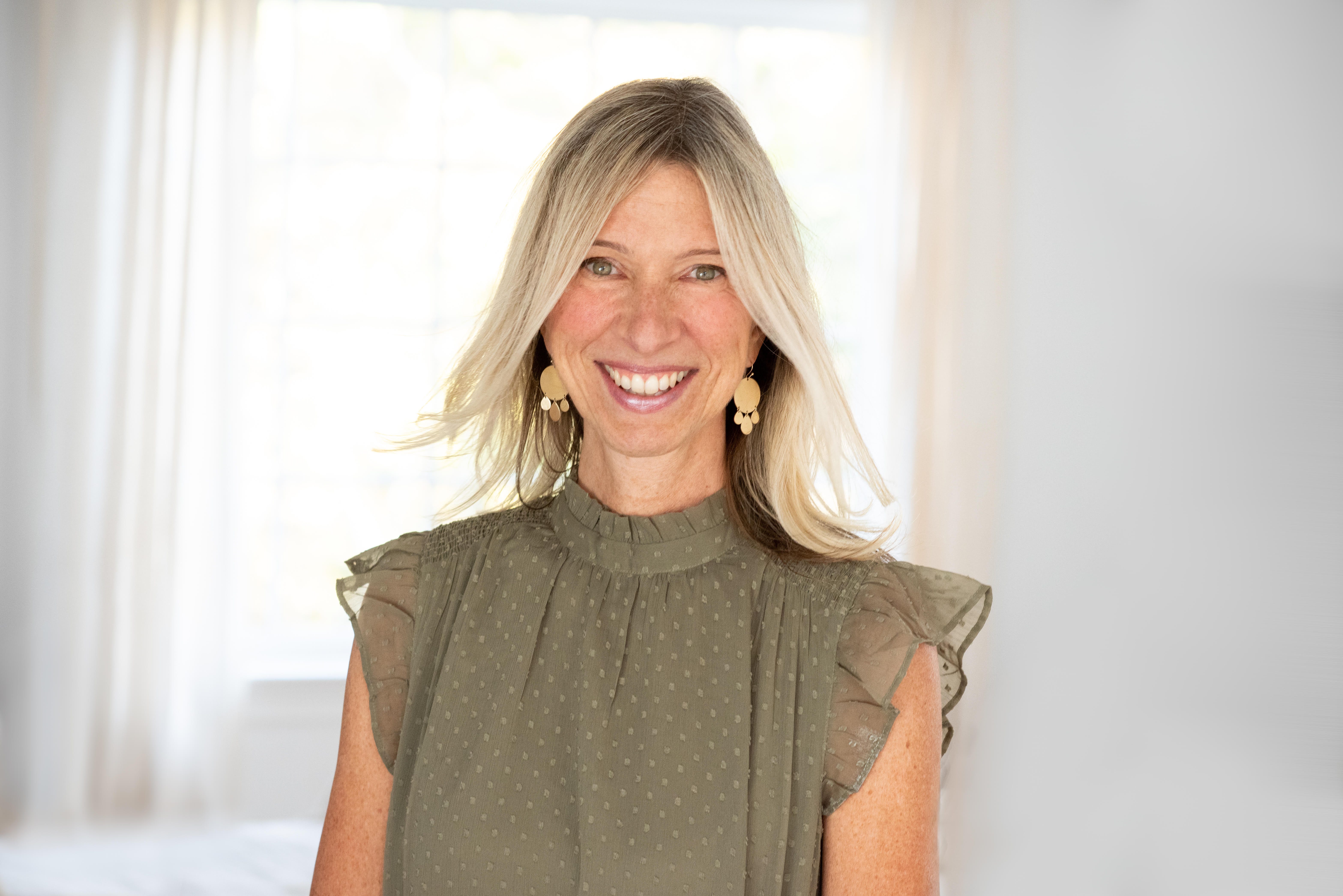
Liz Alterman is the author of the memoir, Sad Sacked, the suspense novels, The Perfect Neighborhood and The House on Cold Creek Lane, (out Aug. 6) and the young adult thriller, He’ll Be Waiting. Her essays and humor pieces have appeared in The New York Times, The Washington Post, McSweeney’s, Parents, and other outlets. For more information, visit lizalterman.com
—
How old are you, and for how long have you been writing?
I’m 53 and I’ve been writing since I could hold a pencil.
What’s the title of your latest book, and when was it published?
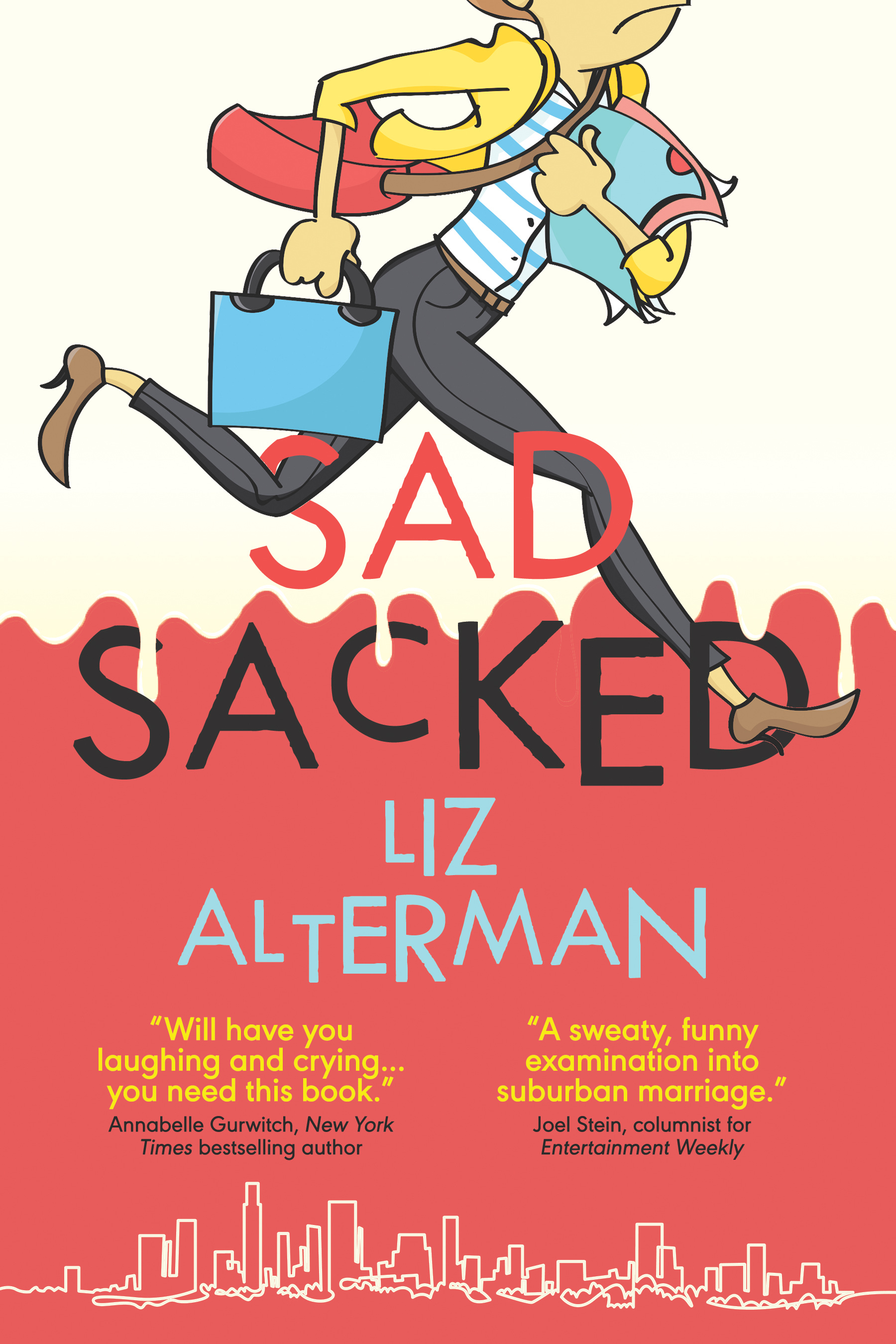
Sad Sacked, published June 11.
What number book is this for you?
This is my third published book, but the first one I wrote. It took a while to find a good home
How do you categorize your book—as a memoir, memoir-in-essays, essay collection, creative nonfiction, graphic memoir, autofiction—and why?
Sad Sacked is a memoir that chronicles the period that came after my husband and I, both longtime media professionals, lost our jobs within six weeks of one another. As I like to say, “Don’t try this at home!”
What is the “elevator pitch” for your book?
“The last person Liz Alterman expects to hear from during her Thanksgiving prep is her husband, Rich. He never calls from his job at a busy Manhattan newsroom. And he never will again, because he’s just been laid off. Two months later, Liz is downsized, too. Attempting to reinvent themselves while raising a family proves more challenging than either imagined. Brimming with humor and heart, Sad Sacked will resonate with anyone who's ever applied for a job, lost a job, or haggled over the price of avocados.”
Sad Sacked is a memoir that chronicles the period that came after my husband and I, both longtime media professionals, lost our jobs within six weeks of one another. As I like to say, “Don’t try this at home!”
What’s the back story of this book including your origin story as a writer? How did you become a writer, and how did this book come to be?
Reading has always been one of my favorite ways to spend time. I majored in English in college. For most of my career, I’ve worked as a journalist, but before Sad Sacked I’d only written a few short stories and a handful of essays. I’d wanted to try writing a longer work but hadn’t come up with an idea I thought I could sustain for tens of thousands of words.
When my husband and I lost our jobs, I started a blog (On the Balls of Our A$$ets) about our mutual unemployment. I joked that it would serve as an online diary of my descent into madness as we embarked on writing resumes and cover letters and navigating interviews while fielding countless rejections.
A freelance assignment led me to interview the founder of a local writing school and when I asked her which was her most popular course, she said, “Memoir writing. Everyone has a story to tell.”
I signed up for that course and used my blog entries as jumping-off points. To paraphrase Toni Morrison, I tried to write the book I wanted to read. There are so many job hunting guides out there. What I longed for was an honest but also funny account of how unemployment takes a toll on nearly every aspect of your life. I wanted to feel less alone during that dark period, and I hope that this book can do that for someone in a similar situation.
What were the hardest aspects of writing this book and getting it published?
One of the most challenging aspects of writing a memoir is deciding which moments to include. Because you’re writing about your own life, it can be difficult to weed out scenes that may mean a lot to you but don’t necessarily add much. Taking writing workshops and getting feedback from my peers helped enormously. It’s also a challenge to relive some of the rougher moments. On one hand, it’s cathartic to put it down on paper and get it out of your system. But on the other, you re-experience a lot of those feelings as you write, revise, and edit, and that can be draining.
One of the toughest aspects of getting this book published was repeatedly hearing that I didn’t have a large enough platform to attract a wide readership. Also, when the manuscript was originally on submission in 2018, several editors said that unemployment wasn’t a concern; they considered it a great economy with a "thriving job market.” Fast forward to 2020, and as a result of the pandemic, layoffs were rampant. I felt like if someone had taken a chance on it in 2018, a book about unemployment would’ve been timely and helpful.
How did you handle writing about real people in your life? Did you use real or changed names and identifying details? Did you run passages or the whole book by people who appear in the narrative? Did you make changes they requested?
Because I share a lot of details about my family, specifically my husband, I ran each chapter past him as I wrote it. I wanted to make sure he felt it was an accurate portrayal and also confirm that he was okay with me including scenes in which neither of us was at our best.
At one point in the story, I accepted a job working for three really difficult editors, who, in real life, had similar sounding names. Rather than keep them separate, Sad Sacked’s editor suggested making a composite character and changing the name. It was an efficient way to do it to avoid real names and reduce possible reader confusion. It’s mentioned in the Author’s Note at the beginning of the book.
One of the most challenging aspects of writing a memoir is deciding which moments to include…It’s also a challenge to relive some of the rougher moments. On one hand, it’s cathartic to put it down on paper and get it out of your system. But on the other, you re-experience a lot of those feelings as you write, revise, and edit, and that can be draining.
Who is another writer you took inspiration from in producing this book? Was it a specific book, or their whole body of work? (Can be more than one writer or book.)
I’m a big fan of Annabelle Gurwitch’s You’re Leaving When? and anything by Nora Ephron. I also really enjoy Gary Janetti and David Sedaris’s collections. I love the intersection of humor, family dynamics, and self-deprecation.
What advice would you give to aspiring writers looking to publish a book like yours, who are maybe afraid, or intimidated by the process?
I would recommend joining a workshop or finding a writing partner who will help you stay motivated and accountable. Receiving constructive but encouraging feedback along the way really kept me going at times when I would’ve otherwise stalled.
What do you love about writing?
I love the way your brain surprises you by serving up anything from a sentence to a whole new scene that’s different from what you had in mind when you first sat down to write. It feels like little bursts of magic.
What frustrates you about writing?
What I find the most frustrating is the way something can sound perfect in your head but then completely falls apart when you try to put it down on paper.
What about writing surprises you?
I think the thing that surprises me in the best possible way is how you can meet a fellow writer and within five minutes feel like you’ve known them your whole life. Having that shared experience of grappling with words (and rejection) really bonds you.
Does your writing practice involve any kind of routine, or writing at specific times?
I try to write first thing in the morning when my mind is somewhat fresh but I’m happy to write any time inspiration strikes—whether that's sending myself an almost indecipherable text in the middle of the night or scribbling on the back of a napkin in the afternoon. I’ve learned that the older I get, telling myself, “Oh, you’ll remember it!” definitely isn’t realistic.
One of the toughest aspects of getting this book published was repeatedly hearing that I didn’t have a large enough platform to attract a wide readership. Also, when the manuscript was originally on submission in 2018, several editors said that unemployment wasn’t a concern; they considered it a great economy with a "thriving job market.” Fast forward to 2020, and as a result of the pandemic, layoffs were rampant.
Do you engage in any other creative pursuits, professionally or for fun? Are there non-writing activities you consider to be “writing” or supportive of your process?
I recently took a stand-up comedy class because I wanted to tackle my lifelong fear of public speaking and also work on humor writing. It was scary but a lot of fun and I met some really great people. I also enjoy baking. There’s a chapter in the book about the time I competed on “The Chew” to win a night out with Carla Hall. I feel like I should bake and mail cookies to anyone who reads the book :).
What’s next for you? Do you have another book planned, or in the works?
Thanks for asking! I have a suspense novel, The House on Cold Creek Lane, coming out August 6.
Just a great nuts and bolts kind of interview. Love it!
I also love to learn what other writers do for fun, creatively, outside of writing. I don’t really have any other creative pursuits that I nurture regularly. I don’t experiment with cooking or crafting cocktails as much as I used to. That used to be my outlet. (Side note: I’m reminded that I need to work on building my platform also. 😬)